
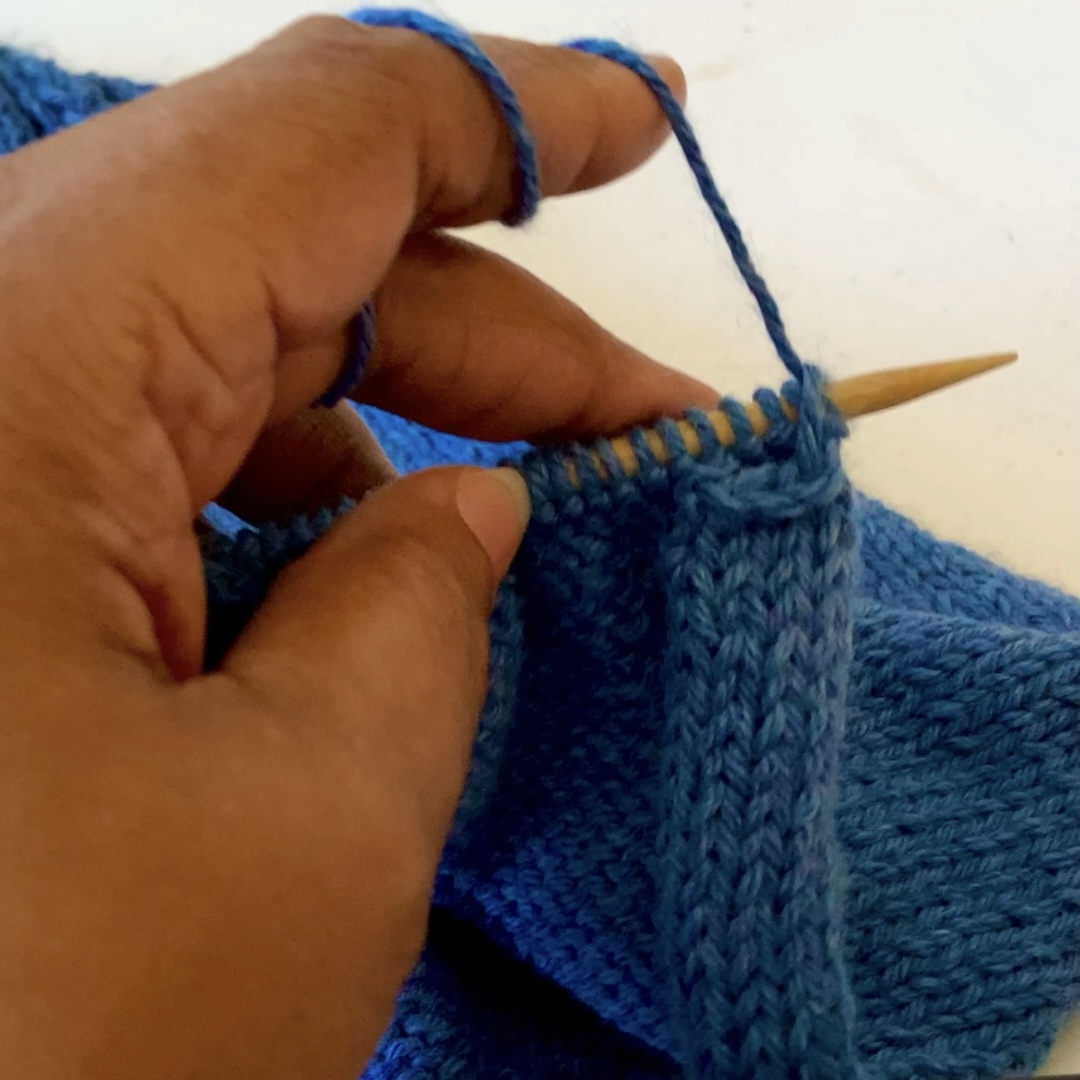
Still, hobbies ameliorate the stressors of work, the news, or family life. And they are entwined with indentity. Many hobbyists, rather than describing how they engage with an activity (“I play video games” or “I enjoy quilting”), define themselves as a gamer or quilter. Now Americans may need to rethink their relationships to these activities.–Lora Kelley
Priced Out of Passion
I ran across a New York Times article entitled: Want to Escape the Financial News? Don’t Try a Hobby, by Lora Kelley. I was struck by Kelley’s notion of crafters building part of our identities around the hobbies we love.

The Economics of Identity
We devote hours of our limited free time and a healthy portion of our discretionary spending to our hobbies. Economic uncertainty and Trump’s Tariffs may put our hobbies out of reach.
Fiber-lovers may face challenges because of reductions in discretionary spending on the consumer side and cost increases on the business side.
The Fiber Industry Feels the Strain
In April, Brooklyn Tweed closed out yarn production. Under current conditions, long-time yarn producers like Jaggerspun have closed.
Hand Dyers like Passionknits and SpaceCadet Yarns have also closed down. Hand Dyers that remain, will take hits to already slim margins as the price of yarn, acid dyes, and shipping increase.
We’ve all seen the price increases at local yarn stores.
China is the world’s leading producer of yarn. Until last week, there was a 145% tariff on Chinese goods like yarn, needles, and notions.
As of May 13, 2025, tariffs on China are at about 30%. That’s where the tariff will be for the next three months. Then, we’ll be back at the negotiating table—again.
When the Cost of Yarn is the Cost of Belonging

This high degree of uncertainty in fiber arts businesses, job market instability, and the rising cost of everything may lead to people being priced out of the fiber arts.
Yarn isn’t just a product—it’s a portal to creativity, community, and comfort. The rising cost of yarn and tools isn’t just inconvenient. It’s threatening to make the fiber arts space feel inaccessible. When people are priced out of their hobbies, they’re priced out of a piece of themselves.
What We Can Do
As crafters, we’re used to adapting. We repurpose yarn, we mend garments, we find community online. But long-term, it’s going to take awareness, advocacy, and creativity to keep our hobbies accessible.
- Support local and small businesses when you can
- Organize or join yarn swaps
- Get involved in policy advocacy if trade impacts your industry
- Share knowledge—teach, trade, build community resilience
How Are You Coping?
I want to hear from you:
Do you consider being a fiber enthusiast, whether you’re a knitter, crocheter, spinner, or weaver a part of your identity?
What’s your strategy for coping with the rising cost of being a fiber crafter? Are you making different choices? Stocking up? Turning to your stash more often?
Drop a comment and let’s keep this conversation going.
If you’d like to read the original article, click here.

Leave a Reply